An air brake valve controls a heavy vehicle's air brake system. It regulates compressed air from reservoirs to brake chambers. That air applies the brakes. Pressing the brake pedal starts a precise sequence of pressure changes. The valve manages this sequence. Understanding this part is key to grasping safety in trucks and buses. Air brakes use compressed air, not hydraulic fluid. The valve links your input to braking force. The braking system depends on this valve. When you press the pedal, the valve sends air to the brakes. When you release it, the valve lets air escape. This releases the brakes. Air brakes must work every time. cntopivot supplies quality valves for this task.
Heavy vehicles carry massive loads. They need a braking force that hydraulic fluid alone cannot deliver. Air brakes solve this problem by using compressed air. This air stores tremendous energy in the reservoirs. When you press the pedal, that energy travels to the brake chambers. The chambers push the brake shoes against the drums. This action slows the vehicle.
Compressed air offers a key advantage. It never runs out. The compressor constantly refills the reservoirs as you drive. Hydraulic fluid can leak or boil under extreme heat. Air brakes handle the high-pressure demands of trucks and buses without failure. That reliability keeps you safe on steep grades and in heavy traffic. Every stop depends on this system working correctly.
The air brake valve acts as the command center for the entire air brake system. It sits between your foot and the brake chambers. When you press the pedal, the valve opens a passage for compressed air. That air flows to the chambers and applies the brakes. When you lift your foot, the valve closes that passage. It then opens another path for air to escape. The brakes release.
This valve is the critical link between your input and the braking force. A delay here means a delay in stopping. A failure here means no stopping at all. The valve must respond instantly and precisely during every brake operation. Manufacturers like cntopivot build valves to meet these exact demands. Quality matters because your safety depends on it. A reliable valve gives you confidence behind the wheel.
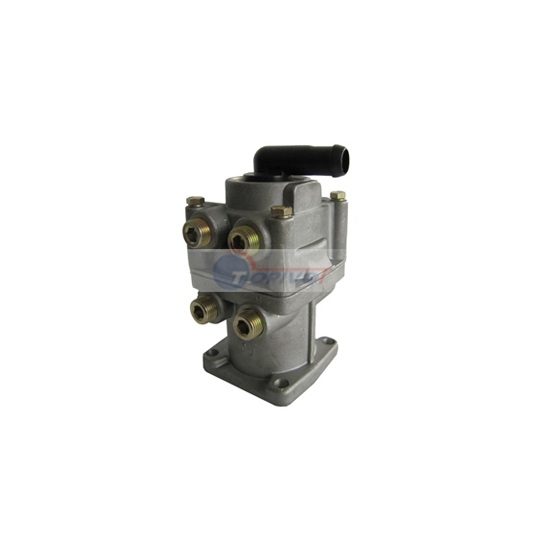
The foot brake valve is the component you touch every time you slow down. It sits under your right foot and converts pedal movement into a control signal. When you press the pedal, the valve sends that signal through an air line to the relay valve. This signal tells the relay valve how much air to send to the brake chambers. The foot brake valve does not apply the brakes directly. It acts as a metering device that proportions air pressure to match your pedal input.
A typical foot brake valve, such as the Foot Brake Valve 461 315 008 0, operates within specific pressure limits. The table below shows the standard values.
|
Pressure Type |
Value |
|---|---|
|
Working |
10.0 bar |
|
Temporary |
12.0 bar |
These ratings tell you the valve handles normal braking at 10.0 bar. It can withstand short bursts up to 12.0 bar during hard stops. Exceeding these limits risks internal damage.
Several symptoms indicate wear or failure in this valve. Watch for these signs:
Air leaking from the exhaust port, often the most common issue.
Slow air pressure build-up or lag before brakes engage.
Brakes grabbing or failing to release after you lift your foot.
Unbalanced braking from dual-circuit failure.
Physical stiffness or crunching in the pedal.
These problems often stem from internal seal leaks, stuck pistons, or damaged return springs. You might notice a spongy pedal feel or inconsistent brake response. Air leaks during application also point to valve trouble.
The relay valve speeds up brake application. It draws air directly from the service reservoir instead of waiting for air to travel from the foot valve. This shortens the time between your pedal press and the brake chamber response. The quick-release valve handles the opposite job. It opens a passage between the brake lines and the atmosphere. Air escapes rapidly, so your air brakes release faster.
These components work together to keep your air brake system responsive. A delay in either direction affects your stopping distance. Common failure effects include air leaks, brake drag, loss of air pressure, inoperative parking brake, delayed brake response, excessive pedal travel, frozen brake valve, valve failure, and a low brake fluid warning light in hydraulic systems. Each symptom points to a specific part you should inspect.
cntopivot offers high-quality replacement valves and components for these critical parts. Their parts help you maintain reliable air brakes on every trip. When you replace worn valves with quality components, you protect your brakes from further damage. Regular inspection of these parts keeps your air brakes working when you need them most.
You press the pedal. The foot valve sends a control signal through an air line to the relay valve. The relay valve draws the right amount of air from the service reservoir. That air travels to the brake chambers. The pushrods move. The shoes clamp the drums. Your vehicle slows.
This sequence happens fast, but not instantly. Air is compressible. It must travel the full length of the vehicle and fill every chamber before the shoes contact the drums. On a tractor-trailer, a delay of roughly half a second before the brakes take hold is normal. According to CDLTest360, the delay between pressing the pedal and shoe contact runs approximately 0.4 to 0.5 seconds. This lag is inherent to air brakes. It is notably slower than hydraulic systems. You should account for this delay in your following distance.
Here is the step-by-step sequence:
You press the foot valve pedal.
The foot valve sends a control signal through an air line.
The relay valve receives that signal.
The relay valve draws air from the service reservoir.
Air fills the brake chambers.
The pushrods extend and the shoes contact the drums.
Each step depends on the one before it. A weak signal or a stuck relay valve breaks the chain. Your brakes will not apply correctly. That is why every component in the air brake system must work together.
You lift your foot. The foot valve closes the supply passage. The quick-release valve opens a passage between the brake lines and the atmosphere. Air escapes rapidly. The chamber pressure drops. The return springs pull the shoes away from the drums. Your brakes release.
This exhaust phase matters as much as the application phase. Trapped air keeps your brakes applied. That causes drag, heat, and wear. A quick-release valve that sticks or clogs slows your release. You may feel the vehicle pull or notice the drums overheating. Regular inspection of this valve protects your brakes from damage.
Dual brake circuits add a layer of safety to this process. Most heavy vehicles split their brakes into two separate circuits. Each circuit serves different wheels. If one circuit fails, the other still provides braking force. You retain control during an emergency. This redundancy is a core safety feature of air brake systems. It ensures that a single failure does not leave you without brakes.
The entire brake operation depends on precise pressure changes. The air brake valve manages those changes. It controls when air flows and when it escapes. A quality valve from cntopivot helps you maintain this precision. When you understand each phase, you can spot problems early. You can also trust your braking system to respond when it matters most.
Air brakes require several specialized valves. Each valve serves a specific purpose. The dual brake valve controls two separate brake circuits. This design provides redundancy. If one circuit fails, the other still applies brakes. You retain stopping power during an emergency. The dash-mounted valve controls your parking brakes. You pull this valve to engage the spring brakes. This action locks the vehicle in place. The relay valve sits near the brake chambers. It speeds up brake application by drawing air directly from the service reservoir. This reduces the delay between your pedal press and the braking force. Each air brake valve must work correctly. A failure in any one affects your ability to stop safely.
Air brakes use additional valve types too. The quick-release valve helps your brakes release faster. It opens a passage for air to escape directly to the atmosphere. Without this valve, trapped air would keep your brakes applied. The check valve prevents air from flowing backward. It maintains pressure in the reservoirs when the compressor stops. The pressure protection valve keeps the service system supplied before other accessories. Understanding these roles helps you identify problems when they arise.
Regular maintenance keeps air brakes reliable. Inspect for air leaks at every valve connection. A simple soap-and-water solution reveals escaping air. Bubbles form at leak points. Listen for hissing sounds near the valves. These sounds indicate a seal failure. Replace worn components immediately. A failing valve puts stress on other parts. You avoid costly downtime by catching problems early.
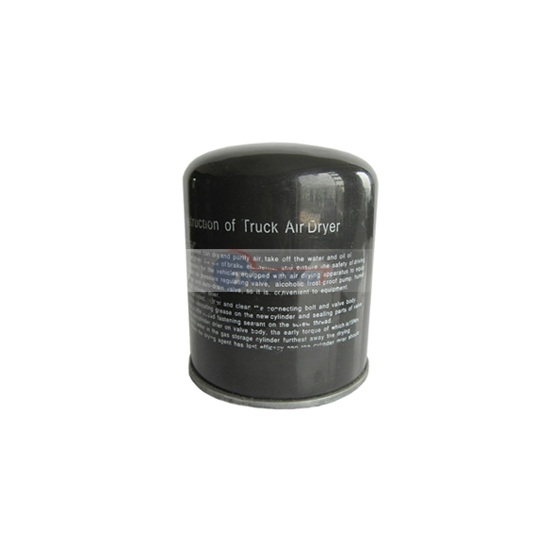
A clean air supply protects your valves. Moisture corrodes internal components. The Air Dryer Cartridge 432 410 020 2 removes contaminants from the compressed air. Check the air tanks for water accumulation. Drain the tanks daily. Change the desiccant cartridge when you find a tablespoon of water. The table below shows standard maintenance intervals.
|
Maintenance Item |
Recommended Interval / Condition |
|---|---|
|
Oil-coalescing air dryer replacement |
Yearly, regardless of mileage |
|
Moisture check in air brake system |
Every 900 operating hours, 25,000 miles (40,200 km), or every 3 months |
|
Desiccant cartridge change |
When a tablespoon of water is found in the air tank |
|
Air tank draining |
Daily |
Follow these intervals to prevent moisture damage. Moisture freezes in cold weather. Frozen moisture blocks air lines. Your brakes may fail to release. Air brakes depend on clean, dry air for consistent performance.
cntopivot supplies reliable replacement valves and components. Consult cntopivot for technical guidance. Quality parts help you stop reliably each time.
The air brake valve is the link between your foot and your stopping force. Press the pedal, and the valve sends compressed air to the chambers. Release it, and the valve lets that air escape. This flow control applies and releases your air brakes. Anyone who maintains or drives heavy vehicles needs this knowledge. A worn valve weakens the whole system. Quality replacement parts from cntopivot protect the integrity of your air brakes. Trustworthy components keep your brakes responsive, so your brakes grab evenly on every trip. Inspect your valves often. Replace them with reliable parts. Your safety depends on air brakes that work every time.
You may notice air leaking from the exhaust port, a spongy pedal, or brakes that grab and fail to release. Slow pressure build-up and unbalanced braking also point to trouble. These symptoms often stem from internal seal leaks, stuck pistons, or damaged return springs. Inspect the valve promptly.
Check for moisture every 900 operating hours, 25,000 miles, or every 3 months. Drain your air tanks daily. Replace the oil-coalescing air dryer yearly. Change the desiccant cartridge when you find a tablespoon of water in the tank. These steps keep your air brakes reliable.
Air is compressible. It must travel the full length of the vehicle and fill every chamber before the shoes contact the drums. On a tractor-trailer, this delay runs about 0.4 to 0.5 seconds. You should account for this lag in your following distance.
No. A faulty valve delays or prevents braking force. You risk a crash, especially on steep grades or in heavy traffic. Replace worn valves with quality parts from cntopivot. A reliable Air Brake Valve protects you and everyone on the road.
Moisture enters the system through compressed air. It corrodes internal components and freezes in cold weather. Frozen moisture blocks air lines and prevents brake release. The Air Dryer Cartridge 432 410 020 2 removes contaminants. Drain tanks daily and replace the cartridge when needed.
Scan To Wechat