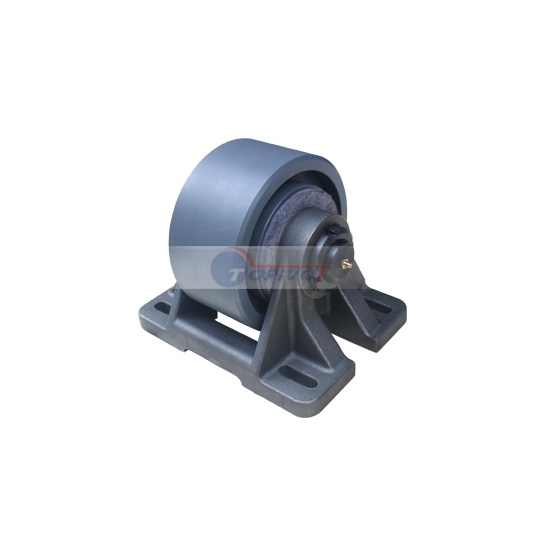
The drum serves as the heart of any compaction roller. Manufacturers craft this main working part from heavy steel, giving it the mass needed to apply compaction force. You'll find the drum at the front of the machine, and its diameter directly influences performance. Larger drums create more contact area with the ground. This increased arc length distributes force evenly, reducing mat distortion and preventing those annoying "bow waves" that ruin a smooth surface. Smaller drums limit performance, especially at higher amplitudes, so you'll see larger drums on projects where surface quality matters most.
The frame connects the drum to the rest of the machine and houses the operator cabin. A non-pivoting fixed chassis design ensures consistent weight distribution across the drum width. This solid, single-piece construction guarantees constant pressure during every pass, which proves critical for uniform density on straight pavement runs. Manufacturers also match drum diameter and total weight to material specifications, ensuring proper compaction regardless of frame type. The rigid frame offers exceptional straight-line tracking, a key stability factor for long paving operations.
The engine powers everything, from drum rotation to hydraulic pumps. Standard drum roller engines typically top out around 100 horsepower. That's plenty for compaction work, though pneumatic tire rollers can reach up to 400 horsepower for different applications.
You'll encounter two drive system options: mechanical and hydraulic. Mechanical drives use clutches, gears, and brakes. They cost less upfront and suit residential developments or smaller sites. However, they require manual operation and leave uneven surfaces when shifting from travel to vibration mode. Hydraulic drives offer automatic speed and direction changes, saving training time and boosting working efficiency by about 20 percent. Vibration starts within three seconds without shock or indentation. You also get flexible control over amplitude and frequency, plus immediate stopping with one button. While hydraulic systems cost more initially, they deliver longer service life and lower maintenance.
Modern operator cabins focus on ergonomics. Premium suspension systems isolate you from machine vibrations, reducing fatigue. Suspended seats adjust to your body type, and climate control keeps you comfortable in any weather. Noise reduction minimizes engine sound, while controls sit within easy reach. Modern operator cabins are designed with operator comfort as a priority, helping you stay alert during long shifts.
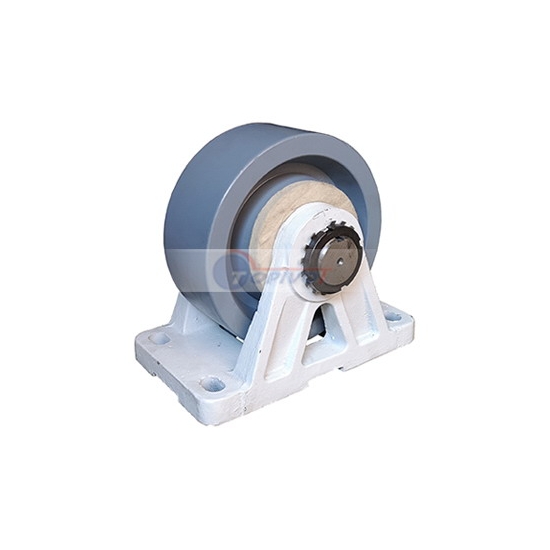
Static compaction relies entirely on the machine's dead weight. You press the drum against the ground, and gravity does the work. A typical 12-ton road roller generates 500–800 kPa of ground pressure. That pressure exceeds the material's bearing capacity, forcing air and water out of the voids between particles. The particles then rearrange into a denser configuration.
You achieve 90–95% density through static weight alone. This method works best for initial leveling and for materials that are not too thick. You maintain constant contact with the surface without impact damage. The key is consistent pressure across the full drum width. Overlapping passes by 25–50% help you achieve uniform density and prevent voids or inconsistencies. You should plan your passes carefully to cover every section evenly.
Static compaction suits granular soils and gravel bases. You use it when you need a stable foundation before applying finer materials. The process is straightforward: you drive the roller back and forth, letting the weight compress each layer. You check the surface regularly to ensure even compaction across the entire area.
Vibratory compaction adds a dynamic force to the static weight. Inside the drum, an eccentric shaft spins at high speed. This spinning creates a shaking motion that drives particles deeper together. You achieve greater density in less time compared to static methods alone. This efficiency makes the double drum vibratory roller a preferred choice for many projects.
Research on cohesionless soils shows vibratory methods consistently produce higher densities than standard impact compaction. You find maximum dry density occurs around 25 Hz when you vary frequency from 18 Hz to 35 Hz. Dry density also increases with vibratory force up to 1400 N. Higher forces contribute to greater compaction, so you can adjust the force to match your material.
Vibration settings for double drum vibratory rollers are adjustable based on material type and layer thickness. You select the frequency based on your material type and layer thickness. Higher amplitude suits thick lifts or challenging materials. Lower amplitude works for thin layers or soft materials to avoid over-compaction. Dual amplitude systems let you switch between settings for different layer thicknesses.
You must remember that an absolute maximum density is not necessarily obtained by these test methods. The maximum density achievable depends on your specific material and test conditions. Vibration amplitude and frequency play significant roles in the outcome. You should run test strips to determine the optimal settings for your project.
Vibratory compaction excels at compacting asphalt and achieving final surface compaction. You use it for parking lots, airport runways, and highway construction. The double drum roller provides uniform density across the entire width. You complete more work in fewer passes, saving time and fuel. For pavement compaction, you match your vibration settings to the asphalt temperature and layer depth. You achieve a smooth, durable surface that meets specification. The double drum vibratory roller remains essential for projects requiring high compaction levels. You rely on it for parking lots and airport runways where surface quality matters most.
A single drum roller features one large steel drum at the front and two pneumatic tires at the back. This design gives you better traction and maneuverability on uneven terrain. The tires provide a kneading action that seals the surface while allowing some vertical wheel movement. That flexibility lets the machine operate effectively on rough ground where a rigid design would struggle.
You'll find single drum rollers ideal for prep work, ground leveling, and highway construction. Their compaction width varies by model, making them suitable for earthwork and road bases. A smaller single padfoot drum machine works well on regional roads. A smooth single drum compactor handles high spots until the soil becomes smooth. For road base work, you pair the roller with a grader and water truck to achieve the desired flat surface.
The drum type matters for soil conditions. A smooth drum suits granular materials like gravel, limestone, and asphalt. It cannot flatten mud or silt effectively. A padfoot or sheepsfoot drum works better for semi-cohesive soils like clay and silt. The protrusions compact from the bottom up, and the roller "walks out" as density increases. You should match the drum to your material for optimal results.
|
Roller Type |
Best Soil Condition |
Performance Notes |
|---|---|---|
|
Single drum smooth |
Granular (gravel, limestone, asphalt) |
Better for granular materials; cannot flatten mud/silt |
|
Single drum padfoot |
Semi-cohesive (clay, mud, silt) |
Better for cohesive soils; churns granular soils |
|
Pneumatic tire roller |
Most types |
Offset tires provide kneading action |
Single drum rollers are often more agile and can turn in a small radius. This makes them suitable for projects with tight spaces. The two pneumatic tires also increase traction when driving on rough terrain. If you work on sloped or uneven ground, you'll appreciate the enhanced grip. Various models offer specialized configurations for different job requirements.
A double drum vibratory roller features two drums that both vibrate to press down and compact surfaces. This type proves crucial for asphalt paving and other applications requiring high compaction levels. Both drums vibrate simultaneously, providing consistent compaction coverage across the entire width. The front drum compresses the material, and the rear drum immediately follows to seal and smooth the surface. This dual action enhances uniformity compared to single drum rollers that only vibrate one drum.
Full-surface contact from the dual drums ensures a uniform and smooth finish across the entire mat. Single drum rollers leave gaps due to their tires. The double drum design eliminates those gaps entirely. You get consistent density from edge to edge on every pass.
For cohesive soils, the double drum roller offers enhanced compaction due to two drums and increased weight distribution. This makes it ideal for projects where soil conditions vary across the site. You'll find this construction roller essential for achieving optimal pavement compaction on large-scale projects.
Full-size double drum rollers used in large-scale paving projects typically have a working width suitable for the job. The working width of double drum rollers varies by model.
You'll rely on this equipment for parking lots, airport runways, and highway projects. The vibration settings allow you to adjust frequency and amplitude based on material type and layer thickness. You achieve a smooth, durable surface that meets specification. Manufacturers offer a range of both single and double drum rollers to suit different project needs. Whether you're compacting a small parking lot or a major highway, you'll find the right machine for the job.
A drum roller combines heavy steel drums with static weight and vibratory force to compact materials. You must select the right machine for your project. A single drum roller handles earthworks and uneven terrain with versatility. A double drum vibratory roller achieves optimal asphalt density for parking lots and highways. A double drum vibratory roller also delivers uniform compaction across the full width.
Understanding these fundamentals helps construction professionals make informed equipment decisions. Reliable manufacturers provide quality machines that ensure successful project outcomes. Whether you work on small sites or large infrastructure, knowing how these rollers operate guides your choices and improves results.
Consider your material and project scale first. A single drum roller handles earthworks and uneven terrain well. A double drum vibratory roller suits asphalt paving and large-scale projects. Explore options for specialized mixing applications.
Static compaction relies on the machine's dead weight. The weight presses materials together. Vibratory compaction adds an eccentric shaft that spins inside the drum. This spinning creates dynamic force. You achieve greater density in less time with vibration. Use static for initial leveling and vibratory for final surface work.
A smooth drum suits granular materials like gravel and limestone. A padfoot drum works better for cohesive soils like clay and silt. Pneumatic tire rollers handle most types with a kneading action. Various configurations are available for specific job requirements.
Match drum diameter and total weight to your material specifications. Larger drums create more contact area and distribute force evenly. Smaller drums limit performance at higher amplitudes. Consider the working width of the roller for your project.
Evaluate the drive system first. Hydraulic drives offer automatic speed changes and boost efficiency by about 20 percent. Mechanical drives cost less. They require manual operation. Consider operator comfort features like suspension seats and climate control. Look for reputable brands that provide reliable options for contractors.
Scan To Wechat