The concrete mixer truck drum operates continuously during transportation to keep concrete properly mixed and prevent premature setting. Behind this rotating system, drum rollers play an important role in supporting the drum and maintaining smooth, stable rotation. When a roller becomes worn, damaged, or misaligned, it can affect drum operation and increase stress on related components.
For fleet operators, maintenance teams, and concrete mixer truck parts distributors, understanding how a drum roller works and when it needs replacement can help reduce unexpected downtime and maintenance costs. However, choosing the correct replacement requires more than matching the appearance of the old component. Dimensions, bearing specifications, bracket design, material, and OEM reference numbers all need to be checked.
This guide explains the function of a concrete mixer truck drum roller, common wear signs, inspection points, and important considerations when purchasing replacement rollers.
A concrete mixer truck drum roller, also known as a mixer drum support roller or carrying roller, is a mechanical component installed in the drum support system. It works with the drum track ring to support and guide the rotating mixing drum.
During operation, the mixing drum rotates to keep concrete components evenly distributed. The drum rollers provide a stable rolling contact with the track ring, helping maintain the drum's position and allowing it to rotate smoothly.
A typical drum roller assembly may include:
The exact construction varies according to the mixer truck manufacturer and roller model. Buyers should always check the original assembly configuration before ordering replacement parts.

McNeilus MTM 3 7/8-inch drum roller assembly 220.150440.
Drum rollers are essential to the mechanical stability of a concrete mixer truck. Their condition directly affects the interaction between the drum support system and the rotating drum.
Supporting the mixing drum
The rollers help carry and stabilize the drum through its track ring and support arrangement. They maintain the required position of the drum while it rotates under different operating loads.
Maintaining smooth drum rotation
With properly functioning bearings and rolling surfaces, the drum rollers help the mixing drum rotate smoothly. Damaged or seized rollers can increase resistance and place additional stress on the support system.
Reducing friction and mechanical wear
Rolling contact helps reduce friction compared with direct sliding contact. Proper roller material, surface treatment, bearing quality, and lubrication are important for maintaining reliable operation.
Helping maintain drum alignment
Correctly installed and adjusted rollers help maintain the drum's position relative to the supporting structure. Uneven roller wear or incorrect installation may contribute to abnormal contact with the drum track ring.
For these reasons, drum rollers should be inspected as part of the regular maintenance of the concrete mixer truck's rotating drum system.
Drum rollers are exposed to repeated mechanical loads, vibration, dust, moisture, and continuous operation. Over time, these conditions can cause wear to the roller surface, bearings, seals, and mounting components.
Here are several warning signs maintenance teams should watch for.
1. Unusual noise during drum rotation
Grinding, squealing, or repetitive knocking sounds may indicate bearing damage, insufficient lubrication, roller surface problems, or misalignment. Noise should be investigated rather than assumed to come from the roller alone.
2. Uneven roller surface or flat spots
A roller should have a consistent contact surface. Visible flat spots, scoring, pitting, cracks, or uneven wear may affect its rolling performance and contact with the drum track ring.
3. Excessive vibration or unstable drum movement
Abnormal vibration may be related to worn rollers, bearing clearance, mounting problems, or damage to the track ring. If the drum does not rotate smoothly, the entire support system should be inspected.
4. Bearing overheating or excessive play
Damaged bearings can create additional friction and heat. Excessive radial or axial movement may indicate bearing wear or internal assembly problems.
5. Grease or oil seal leakage
Damaged seals may allow lubricant to escape and contaminants to enter the bearing assembly. Leakage around the roller should be checked before it leads to more serious internal damage.
6. Abnormal drum track ring wear
Uneven contact between the roller and track ring may indicate alignment issues, roller wear, or an incorrect replacement component. Inspect both contact surfaces rather than replacing only one part without checking the cause.

London Oshkosh Smith roller assembly 32123 with a heat-treated roller surface.
Regular inspection helps identify developing problems before they lead to unexpected equipment downtime. Maintenance frequency should follow the mixer truck manufacturer's recommendations and actual operating conditions.
During inspection, pay attention to the following areas:
Before any physical inspection or maintenance, park the truck on firm, level ground, secure it against movement, shut down the equipment, and follow the manufacturer's lockout and safety procedures. Never inspect or work near moving rollers or beneath an unsupported drum. Only qualified technicians should perform adjustment or replacement work using the approved support equipment and procedures.
Not every unusual sound or surface mark means that a roller must be replaced immediately. The decision should be based on the manufacturer's wear limits, inspection findings, and the overall condition of the assembly.
Replacement should be considered when:
When replacing a worn component, technicians should also inspect the mating track ring, mounting position, bearing arrangement, and related hardware. Installing a new roller without correcting an underlying alignment problem may result in premature wear of the replacement part.
Selecting the correct replacement is one of the most important steps for fleet maintenance teams and spare parts distributors. Two rollers may look similar but have different dimensions, bracket heights, bearing arrangements, or OEM references.
Before requesting a quotation, confirm these specifications:
Roller dimensions
Measure the roller diameter, width, shaft dimensions, and overall assembly height. For example, Topivot offers different specifications, including CIFA 250x90 rollers and STETTER 250x110 rollers. These dimensions should not be treated as interchangeable without checking the original equipment requirements.
Material and heat treatment
Roller material influences strength, wear resistance, and service performance. Topivot's McNeilus MTM 220.150440 assembly uses ASTM 1045 roller material with a heat-treated surface hardness of 50–55 HRC. Buyers should compare the actual material and treatment specifications of the required model.
Bearing and seal specifications
Check bearing dimensions, brand requirements, sealing design, and internal assembly configuration. Bearing quality is important for reliable rotation and long-term performance.
OEM part number and equipment compatibility
Always check the original part number and mixer truck brand. A matching OEM reference is a useful starting point, but dimensions and assembly details should also be verified.
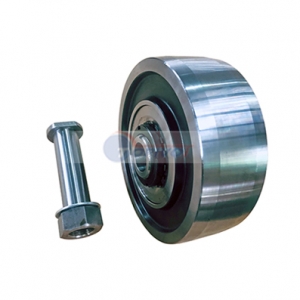
CIFA mixer truck drum roller 250x90 for compatible mixer applications.
Replacing a drum roller involves more than removing an old assembly and installing a new one. Correct positioning, compatible specifications, and proper inspection of related components are necessary for reliable operation.
For maintenance planning and replacement purchasing, consider the following steps:
For wholesale buyers, providing photographs, drawings, dimensions, and OEM numbers to the supplier can significantly reduce the risk of ordering an incompatible part.
Established in 2009, Hangzhou Topivot Trading Co., Ltd. specializes in producing, sourcing, and exporting heavy-duty truck, concrete mixer truck, and trailer parts.
Topivot offers a range of mixer truck drum rollers for different equipment applications, including McNeilus, London Oshkosh Smith, CIFA, SCHWING, Terex, and other mixer truck systems.
Its product range includes complete roller assemblies, forged bare rollers, and different roller dimensions. Depending on the model, product specifications can include forged roller bodies, heat-treated surfaces, bearing assemblies, and oil seals.
For overseas distributors, repair workshops, and fleet operators, accurate part matching is essential. Topivot can assist buyers in checking product references and specifications based on equipment models, OEM numbers, dimensions, and photographs.
Explore Topivot concrete mixer parts to learn more about its product range and replacement solutions.
Q1: What is the main function of a concrete mixer truck drum roller?
A drum roller supports and guides the rotating mixing drum through its contact with the drum track ring. It helps maintain stable drum positioning and smooth rotation during concrete mixing and transportation.
Q2: How do I know if my mixer truck drum roller needs replacement?
Common warning signs include unusual noise, flat spots, surface cracks, uneven wear, bearing overheating, excessive play, grease leakage, and abnormal drum vibration. The final replacement decision should follow the manufacturer's inspection and wear specifications.
Q3: What is the difference between a drum roller and a drum track ring?
A drum roller is the rotating support component, while the drum track ring is the ring-shaped contact surface fitted around the mixing drum. They work together to support and guide drum rotation.
Q4: How do I find the correct replacement drum roller?
Provide the mixer truck brand, model, drum capacity, OEM part number, roller dimensions, and clear photographs. These details help the supplier verify the correct assembly and reduce compatibility problems.
Q5: What materials are used for concrete mixer truck drum rollers?
Depending on the model, drum rollers may use ASTM 1045, C45, 40Cr, or other specified materials. Some rollers also receive heat treatment to improve surface hardness and wear resistance.
Q6: Can different brands of mixer trucks use the same drum roller?
Some rollers may share compatible OEM references or specifications across different equipment brands. However, buyers should verify dimensions, bracket height, bearing configuration, and mounting requirements before ordering.
Q7: Should I replace the drum roller and track ring at the same time?
Not necessarily. The decision depends on the condition of both components and the manufacturer's service recommendations. If the track ring has significant wear or deformation, it should be evaluated before installing a new roller.
A properly functioning drum roller is essential for stable concrete mixer truck operation. Regular inspection, early identification of wear, and accurate replacement part selection can help reduce maintenance interruptions and protect related drum components.
Whether you need a McNeilus roller assembly, a CIFA drum roller, a SCHWING-compatible roller, or a forged bare roller, matching the specifications to your original equipment is the first step toward a reliable replacement.
Topivot supplies concrete mixer truck drum rollers and other mixer truck replacement parts for international distributors, maintenance companies, and fleet operators.
Need a quotation for concrete mixer truck drum rollers? Send us your OEM part number, dimensions, equipment model, and required quantity to discuss the right replacement solution.
Scan To Wechat