Choosing between a 5m3 and an 8m3 assembly depends on project size, site conditions, and local transport rules. The Concrete Mixer Assembly 5m3 and the Concrete Mixer Assembly 8m3 fit different jobs. Neither option is better overall. This guide first explains how a concrete truck mixer drum works, from the drum shell to the spiral blades. It then compares both sizes on mixing performance, project fit, regulations, and cost. A concrete mixer truck hauls each batch to the pour. Cntopivot supplies both assembly sizes. Small mixers and large mixers both work. Buyers can then judge concrete mixers by fit, not availability. Both mixers earn their place, and smart buyers match mixers to the job.
Match the drum size to your project: small jobs use the 5m3, large jobs use the 8m3.
Check site access first: tight spaces need the smaller 5m3 mixer.
Follow weight rules: the 8m3 may exceed road limits, so verify local regulations.
Compare costs: the 5m3 costs less upfront, but the 8m3 saves trips on big jobs.
Choose by fit, not availability: both sizes work well when matched to the right job.
The concrete truck mixer drum is the big spinning tank on the back of the truck. It is usually shaped like a double cone or a pear. This shape holds the concrete and keeps it moving as the truck drives. The drum sits at an angle, and the way its axis of rotation is set helps the mix flow toward the opening.
A set of spiral blades is welded to the inside of the drum. These blades are the main parts of the mixing system. One spiral blade runs in a smooth curve along the shell. The blades turn with the drum and lift the concrete as it spins. Cntopivot builds drum assemblies with these inside parts already fitted.
A hydraulic system powers the drum and keeps it turning. This system controls how fast the drum spins and lets the operator reverse direction. That control matters for both mixing and pouring out.
The mixing process starts at the plant. Cement, sand, gravel, and water are loaded into the drum. As the drum turns, the blades tumble the concrete and keep it workable. Turning the drum one way pushes material deeper inside. Reversing the rotation moves the mix toward the discharge end.
Operators pick among several concrete mixing methods. Some trucks mix everything at the plant. Others combine materials on the road. In every case, the mixing process depends on steady rotation to keep the concrete consistent until the truck reaches the jobsite.
At the pour, the operator reverses the drum and the blades push the mix out. The concrete mixer truck then pours the concrete through the chute. A drum mixer built this way keeps each batch uniform from plant to site. The mixing process ends when the drum is empty.
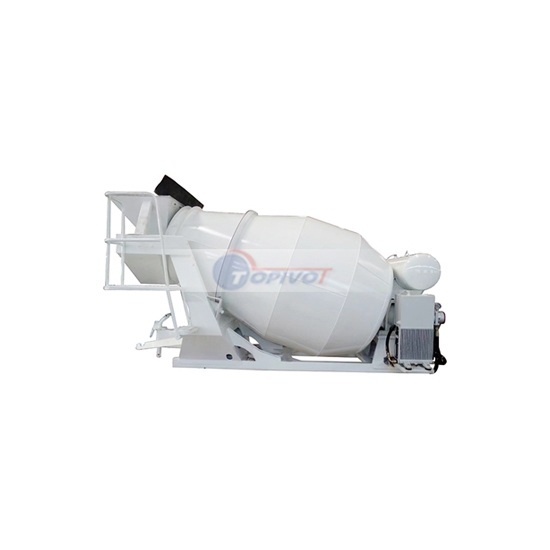
The two assemblies share the same working principle. A concrete truck mixer drum turns, and the blades lift and fold the concrete. Size changes the scale of that work, not the physics.
|
Performance factor |
Concrete Mixer Assembly 5m3 |
Concrete Mixer Assembly 8m3 |
|---|---|---|
|
Batch capacity |
Smaller batch per load |
Larger batch per load |
|
Mixing efficiency |
Reaches a uniform mix quickly in a small volume |
Needs more turns to blend a larger volume evenly |
|
Discharge |
Empties fast; short pour window |
Longer discharge; suits steady, high-volume pours |
A smaller drum holds less concrete, so each batch blends fast. The blades move a short distance through the mix. Discharge also finishes quickly. Crews get a short, tidy pour.
A larger drum carries more concrete per trip. The blades travel farther, so the mixing process takes more rotation to reach an even blend. Discharge runs longer. That longer window helps a crew that pours a wide slab in one pass.
Neither result is superior. A small batch suits a quick footing. A large batch suits a continuous wall pour. Cntopivot builds both drum sizes with matched blade geometry, so each mixer performs to its own scale.
Site access often decides the size before performance does. A concrete mixer truck with a small drum turns in a narrow driveway. It backs into a tight alley. It parks beside a house without blocking the street. Small mixers shine on crowded urban lots.
A large drum changes the truck's footprint. The vehicle is longer and heavier. It needs a wider turning radius and a firmer approach. Large mixers fit open sites with room to stage. They favor high-volume pours where fewer trips matter more than tight handling.
The revolving drum itself does not steer the truck. The chassis and the load do. Still, drum size drives the load, and the load drives access. A crew that cannot fit a big concrete mixer onto the lot should not order one. A crew that pours hundreds of cubic meters a day should not settle for a small unit.
Both concrete mixers earn their place. The 5m3 assembly wins on tight sites. The 8m3 assembly wins on open, high-output sites. A buyer who matches drum size to access avoids costly delays at the gate.
The Concrete Mixer Assembly 5m3 fits work that moves in short bursts. A crew pouring house footings, a driveway, or a backyard patio needs a steady supply of concrete without a huge load. This assembly delivers that. A small drum mixer keeps each batch fresh and lets the operator adjust the pour as the job unfolds.
Urban sites reward this size. A concrete mixer truck with a compact drum slips into narrow streets and tight driveways. The driver can stage near the work without blocking traffic. Crews on residential jobs often face fences, parked cars, and low branches. A smaller mixer handles those limits with less stress.
The blades inside a 5m3 drum turn a modest volume. That short travel keeps the mixing quick and the discharge clean. A crew can finish a small pour and clear the site fast. Cntopivot builds this assembly for exactly that rhythm.
The Concrete Mixer Assembly 8m3 fits work that demands volume and fewer trips. A large commercial slab, a bridge deck, or a warehouse floor needs concrete delivered at a steady pace. This assembly carries more per load. The concrete mixer spends less time traveling back to the plant and more time at the pour.
Remote sites amplify that advantage. A project far from the batch plant pays for every trip in fuel and time. A larger drum cuts the number of trips. The concrete arrives in bigger batches, and the crew keeps pouring without long gaps. Infrastructure work often runs on tight schedules, and fewer returns help hold that schedule.
The blades in an 8m3 drum travel farther through the load. The mixing takes more rotation to reach an even blend. That trade-off pays off on a wide pour where consistency across a large volume matters. Cntopivot supplies this assembly for high-output work.
Both concrete mixers serve their intended uses well. A small unit suits tight access and short pours. A large unit suits open sites and steady demand. Neither size is a compromise. Each one matches a different job, and a buyer who reads the site correctly picks the right tool. The concrete mixer truck, the drum, and the crew all work as one system. Matching the assembly to the project keeps that system efficient.
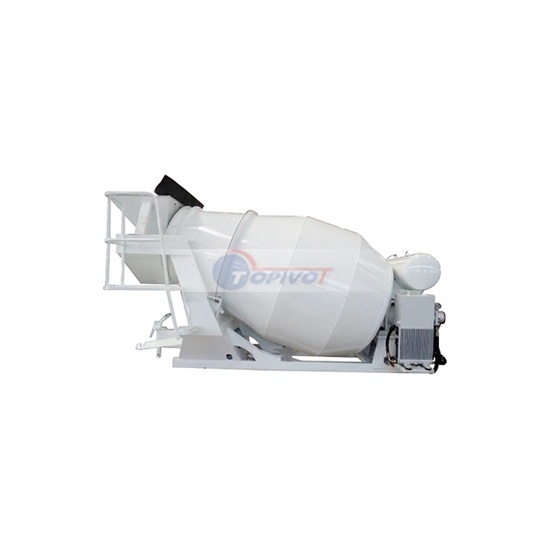
Road rules often settle the size question before performance enters the debate. Every region sets a gross vehicle weight limit for trucks on public roads. A fully loaded concrete mixer must stay under that cap. The Concrete Mixer Assembly 8m3 carries more concrete, so it adds more weight to the chassis. Some regions allow that load. Others do not. Buyers who run concrete mixers on tight routes often pick the smaller unit for this reason. Small mixers clear the cap with room to spare.
Axle loads matter just as much. Officials measure the weight each axle carries, not just the total. A heavy drum pushes more load onto the rear axles. A larger drum also raises the mixing load, and the concrete load shifts weight rearward. Transport permits add another layer. Wide or heavy vehicles may need a special permit on certain routes. Local rules vary by state and country. Buyers should verify requirements with their transport authority before they order either assembly. A permit delay can stall a mixer before it ever pours. Light mixers pass inspection with fewer issues.
Cost shapes the choice as much as weight does. The Concrete Mixer Assembly 5m3 costs less up front. It burns less fuel per trip because it moves less concrete mass. Maintenance stays modest, since the drum and blades handle smaller loads. The Concrete Mixer Assembly 8m3 costs more to buy. It burns more fuel per trip. Yet it delivers more concrete per load, so a crew needs fewer trips to finish a concrete pour. Fewer trips also mean less wear on the blades. Blade rotation stays steady on both units.
Return on investment depends on utilization. A concrete mixer that runs tight urban routes may never repay the larger price tag. A concrete mixer on a steady high-volume concrete schedule spreads that cost across many loads. Cntopivot supplies both sizes, so buyers can weigh price against workload. Small mixers pay back on short, frequent pours. Large mixers pay back on volume. Fleet owners often run both mixers side by side. Urban mixers handle the tight drops. Highway mixers handle the long hauls. Neither assembly wins on cost alone. Each concrete mixer pays back best on the work it suits.
Four things help you make the choice. The size of the project sets how big each batch needs to be. Site access decides if a long truck can get to the pour. Weight limit rules cap how much load a route allows. Budget and return on investment compare price with workload. The Concrete Mixer Assembly 5m3 and the Concrete Mixer Assembly 8m3 both do their intended jobs well. Each concrete mixer earns its place on the right job. A buyer who checks these four points picks the right drum with confidence. Cntopivot supplies both sizes, so buyers choose by fit rather than availability. That freedom keeps every concrete truck mixer drum, mixing plan, and rotation schedule matched to the work.
Match the drum to the job. Project scale, site access, weight rules, and budget decide the fit. Small pours favor the Concrete Mixer Assembly 5m3. High-volume schedules favor the Concrete Mixer Assembly 8m3. Cntopivot supplies both mixers as concrete mixer assemblies, so fit drives the choice.
Yes, with more trips. The small drum carries less concrete per load. Crews on big slabs need frequent returns to the plant. That rhythm suits a small mixer on short pours. Large mixers cut trips on wide placements. Those mixers keep concrete flowing. Both mixers earn their place.
Check the blades for wear and buildup. Keep the hydraulic system clean. Rinse the drum after each pour. Steady rotation protects the concrete mix. Cntopivot builds each Concrete Truck Mixer Drum to hold a steady blend. Small mixers rinse faster than large mixers.
Often, yes. Every region caps gross vehicle weight and axle loads. A loaded 8m3 drum adds more mass to the concrete load. Some routes allow it; others do not. Buyers should confirm limits with their transport authority before ordering a concrete mixer. Lighter mixers clear more routes.
No. Return on investment tracks utilization. Urban routes may never repay the larger price. High-volume schedules spread the cost across many loads. Fleet owners often run both mixers side by side, and those mixers cover different routes. Each mixer suits a distinct concrete schedule.
Scan To Wechat